Prediction markets offer a different way to think about the future. Rather than relying entirely on opinions, surveys, or expert forecasts, they bring together people with different knowledge and expectations to estimate the likelihood of real-world events.
But how do they actually work, and why are they attracting increasing interest?
Understanding prediction markets
A prediction market is a marketplace where participants trade contracts linked to the outcomes of future events.
For example, a market might ask whether a central bank will lower interest rates before the end of the year. Participants can take positions based on their expectations of the outcome.
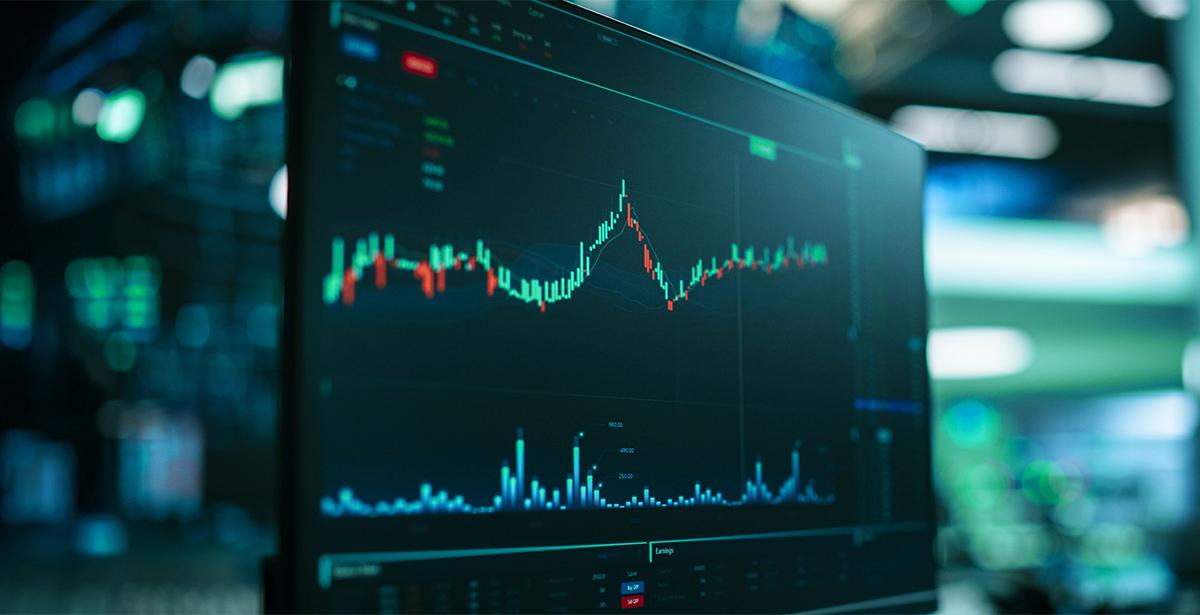
In a simplified binary market, a contract that pays $1 if an event occurs might trade at $0.65. That price is often interpreted as representing an implied probability of approximately 65%, although trading costs, liquidity, and market structure can affect that interpretation.
How market prices reflect expectations
As new information becomes available, participants adjust their positions.
An unexpected economic announcement, a technological breakthrough, or a major political development can change how likely an outcome appears.
These changes are reflected in market prices, allowing prediction markets to provide continuously updated signals about collective expectations.
Why prediction markets matter
Unlike traditional opinion polls, prediction markets may give participants a financial incentive to consider information carefully.
They also aggregate perspectives from people with different backgrounds, expertise, and access to information.
However, market predictions are not guaranteed to be accurate. Thin liquidity, biased participation, manipulation, and unexpected events can all affect results.
A new way to explore uncertainty
Prediction markets create an opportunity to turn questions about the future into observable market signals.
As technology advances, combining these markets with data analytics and artificial intelligence may make it easier to understand complex events and evaluate competing scenarios.
The future is uncertain, but prediction markets offer another way to understand what people believe may happen next.