Prediction markets are built around a simple concept: participants express expectations about future events through market activity.
Behind that concept, however, is a combination of technologies that can make market information easier to access, evaluate, and understand.
From data processing to artificial intelligence, modern market platforms bring together multiple systems.
The foundation: reliable event data
Every prediction market starts with a clearly defined question.
For a market to function effectively, participants need to understand the event, the possible outcomes, and how the final result will be determined.
Accurate and timely information is essential.
Market platforms may use external data providers, official announcements, and defined verification procedures to establish outcomes.
Artificial intelligence as an analysis layer
AI introduces additional capabilities to market research and information processing.
Language models can help summarize articles, interpret complex documents, and explain technical subjects in more accessible terms.
Other machine learning systems may assist with numerical analysis, classification, anomaly detection, and pattern recognition.
When designed carefully, these capabilities can complement traditional market information.
Real-time information and market activity
Prediction markets evolve as participants respond to new developments.
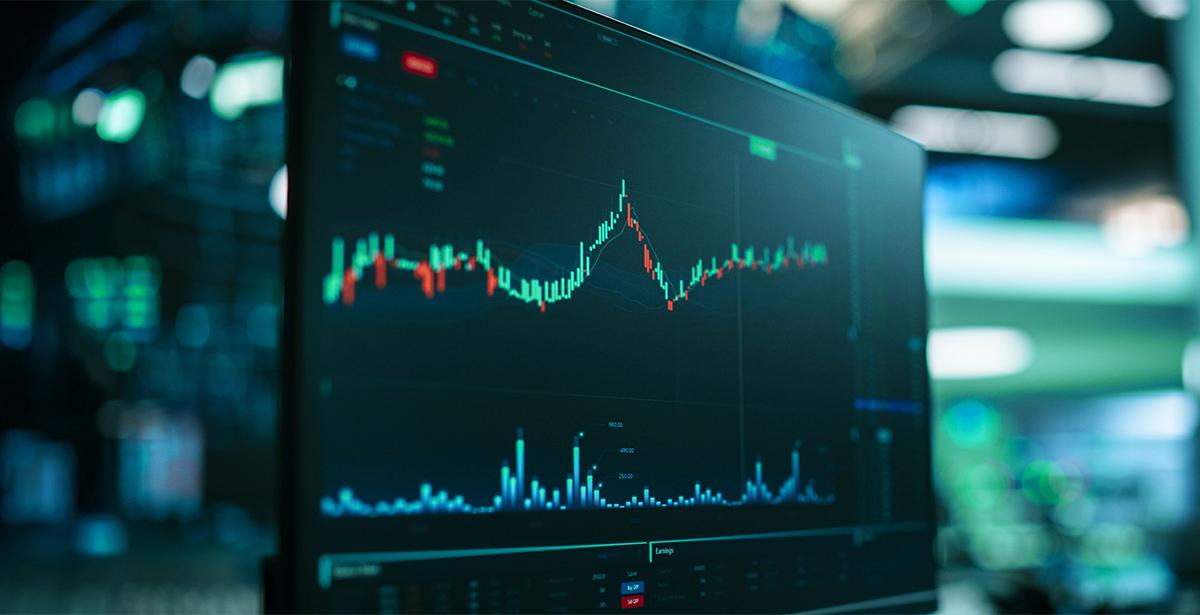
To understand these changes, users may need access to current market prices, historical movements, trading activity, and relevant external events.
Combining these data sources can provide additional context around shifts in market expectations.
The importance of transparency
Advanced technology alone does not make a prediction market trustworthy.
Clear rules, reliable resolution processes, transparent data sources, and responsible system design are equally important.
AI systems also require safeguards against unreliable outputs, misleading interpretations, and outdated information.
Connecting intelligence with participation
The potential of AI-powered prediction markets lies in bringing research, analysis, and participation into a more connected experience.
Rather than treating information gathering and market exploration as entirely separate activities, technology can help connect them.
The next generation of predictive intelligence will depend on both powerful technology and the quality of the information behind it.